
Compassionate Nursing Services Designed Around Your Health and Comfort
When a loved one comes home after surgery and needs daily wound care, nursing services bring skilled clinicians right to your doorstep to manage that care safely. These services pair registered nurses or licensed practical nurses with your family’s routine, creating a personalized plan for medication reminders, vital sign checks, and patient education. You can simply call a home health agency, share your doctor’s orders, and a nurse will schedule visits around your life, turning a stressful recovery into a supported, comfortable journey.
What Exactly Do Home-Based Caregivers Do for You or Your Loved One?
A home-based caregiver providing nursing services focuses on clinical care within your residence, not just companionship. They administer medications on a precise schedule, including injections or IV therapy, and monitor vital signs like blood pressure and oxygen levels. For wound care, they perform sterile dressing changes and observe for signs of infection. They manage medical equipment such as oxygen concentrators or feeding tubes, troubleshooting alarms. Skilled nursing tasks also include catheter and ostomy care, ensuring hygiene and preventing complications. They document daily health status changes and report urgent concerns directly to your physician, bridging the gap between home and hospital. Additionally, caregivers educate you on recognising symptom changes, empowering you to respond early. This hands-on nursing support reduces hospital readmissions by providing professional medical oversight in a familiar, comfortable setting.

Daily Personal Care: Bathing, Dressing, and Grooming Support
For someone recovering at home, even a morning can feel overwhelming, which is why caregivers turn daily personal care into a dignified, stress-free routine. They provide steadying hands for safe showering, manage sponge baths when mobility is limited, and assist with getting in and out of the tub without strain. Dressing becomes collaborative—choosing comfortable, easy-fastening clothes while ensuring modesty and warmth. Grooming support extends to brushing teeth, combing hair, shaving, and applying lotion, all tailored to your loved one’s preferences. This isn’t about doing tasks for them, but preserving their autonomy through gentle, step-by-step encouragement. The goal is freshness, circulation, and confidence before the day unfolds.
**Q: What if my loved one refuses bathing assistance?**
A: Caregivers adapt by offering flexible timing, using no-rinse cleansers, and breaking the process into smaller, less invasive steps to reduce anxiety and resistance.
Medication Reminders and Health Monitoring at Home
Medication reminders from home-based caregivers go beyond simple prompts, involving the preparation of pill organizers and the verification that each dose is taken at the prescribed time, which directly reduces the risk of missed or double doses. Health monitoring at home typically includes tracking blood pressure, blood glucose, weight, and oxygen saturation, with all readings logged to identify trends that might necessitate a call to the physician. This continuous data collection allows for early intervention before a minor fluctuation becomes a hospital visit, and it provides family members with peace of mind regarding the patient’s daily physiological state. The subtle value lies in how these routine checks transform raw numbers into actionable insights for adjusting care plans quickly.
- Set up automated alarms or visual cues for each medication schedule.
- Maintain a shared logbook for vitals to share during telehealth appointments.
- Flag any reading outside the normal range to the nursing supervisor immediately.
Meal Preparation and Light Housekeeping as Part of Care
Beyond clinical tasks, home-based caregivers transform daily living through meal preparation and light housekeeping as part of care. They craft nutritious meals tailored to dietary restrictions—think low-sodium for heart health or soft textures for swallowing difficulties—while accommodating personal taste preferences. Between cooking, they manage tidy, safe spaces by wiping counters, washing dishes, and clearing clutter that could cause falls. Laundry gets done, beds get changed, and floors get a quick sweep, all without invading your loved one’s autonomy. *The rhythm of these small chores often anchors a person’s day, offering dignity and normalcy that medication schedules cannot provide.* This practical support keeps the home hygienic and welcoming, directly reducing infection risks and stress for everyone involved.
How Do You Figure Out Which Type of Care Provider Fits Your Situation?
Figuring out the right nursing provider starts with mapping your daily needs—ask if you require skilled medical tasks like wound care or medication management, which points to an RN or LPN, versus help with bathing and meals, where a home health aide fits better. Check the intensity: round-the-clock, complex conditions call for a registered nurse, while intermittent visits from a licensed practical nurse often cover stable, routine care. Match the provider’s credentials to the specific clinical task, not just the job title. Then, consider your living setup and whether you prefer someone who comes to you or a facility-based team. Interview candidates about their experience with your exact condition—a nurse who’s handled post-surgery recovery daily is different from one focused on chronic illness. Don’t overlook the soft factor: how comfortable you feel asking them awkward questions at 2 a.m. can be as telling as their certifications. Finally, trial a week before committing, because real-world chemistry beats any glossy profile.
Comparing Live-In vs. Hourly Visits: Which Schedule Works Best?
Choosing between live-in and hourly nursing visits hinges on the care intensity and the patient’s daily risk profile. A live-in schedule best fits continuous supervision needs, such as fall prevention or overnight medication administration, where fragmented hourly visits leave dangerous gaps. Conversely, hourly visits work better for defined tasks—wound care, mobility assistance—where the patient is stable and independent for long stretches. Consider caregiver fatigue: live-in requires sufficient off-hours for the nurse to rest, while hourly allows you to scale coverage as symptoms fluctuate. A practical determinant is whether the patient requires intervention more than twice per night or is unsafe alone for four consecutive hours; if so, live-in is cost-effective. Otherwise, hourly prevents over-care and preserves autonomy.

Matching Caregiver Skills to Specific Conditions (Dementia, Recovery, Chronic Illness)
Matching caregiver skills to specific conditions begins with assessing how the illness affects daily function. For dementia, prioritize providers trained in redirection, de-escalation, and structured routines, as they prevent wandering and agitation. During post-surgical or stroke recovery, seek caregivers skilled in transfer techniques, wound observation, and progressive mobility exercises to avoid setbacks. For chronic illnesses like COPD or heart failure, choose someone competent in symptom tracking, medication timing, and energy conservation strategies. However, a caregiver’s proficiency with one condition does not automatically translate to another, so verify prior case experience directly. Ask agencies for condition-specific case logs or skill checklists, and request a trial visit to observe how the caregiver adapts communication and physical assistance. Condition-matched caregiver competencies reduce hospital readmissions and improve daily stability, but only if you match the provider’s documented training to the exact stage and symptoms your loved one presents.
Questions to Ask During a Phone Interview with an Agency or Independent Aide
When you’re on that phone call, ask the agency or independent aide how they handle backup coverage if your usual person calls out sick—it’s a total dealbreaker if they don’t have a clear answer. You’ll also want to ask about their experience with your specific needs, like dementia or mobility help, and whether they’re comfortable with pets in the home. Don’t skip asking about communication: how will they update you on daily changes, and do they use a log or text? Finally, clarify billing details, like overtime rates or minimum hours, so there are no surprises later. These phone interview questions for home care save you headaches.
What Does a Typical Day Look Like When You Hire Professional Care?
A typical day with professional nursing care starts with a gentle morning check-in, where a nurse helps you or your loved one out of bed, handles personal hygiene, and manages medication schedules right after breakfast. Mid-morning, the nurse monitors vital signs like blood pressure and glucose levels, then assists with prescribed exercises or mobility routines to keep joints limber. Lunchtime involves dietary supervision and, if needed, feeding support. Afternoons are for wound care, injections, or catheter management, followed by a companionship break—chatting, reading, or just sitting outside. Evenings wind down with a warm browncountyhealthdept.org shower, evening meds, and a detailed handoff note so the next shift knows exactly what happened. Throughout the day, the nurse is your main point of contact for spotting changes in condition and adjusting comfort measures, so you never feel like you’re guessing what to do next.
A Step-by-Step Walkthrough of a Morning Shift Routine
A morning shift with professional nursing care begins with a discreet wellness check, where the nurse records vitals and observes your loved one’s baseline before any activity. Next, the nurse assists with bathroom hygiene or bed bathing, prioritizing dignity and skin integrity. Medication administration follows, with each dose verified against the care plan, timed to manage symptoms like stiffness or pain. The routine then shifts to dressing and grooming, using adaptive techniques for limited mobility. Breakfast is prepared with the right texture and positioning to ensure safe swallowing. Finally, the nurse updates family notes and prepares for the day’s therapy exercises, making every step a proactive foundation for daily stability. This sequence minimizes stress and maximizes comfort from the first hour.
How Caregivers Coordinate with Your Family and Doctors
Caregivers act as the communication hub between your family and your medical team, ensuring nobody is left guessing. Each morning, they log vital signs and notable symptoms into a shared digital journal your relatives and doctors can access in real time, eliminating frustrating phone tag. When a concern arises, the caregiver promptly sends a concise update to the physician’s office, while also briefing your family on the doctor’s recommendations in plain language. Before every appointment, they compile a medication list and specific questions you’ve raised, then relay the physician’s adjusted care plan directly to your loved ones. This **seamless coordination with family and physicians** keeps everyone aligned, so medical decisions are proactive, not reactive.
What Happens When You Need Extra Help Overnight or on Weekends?
When a care plan requires assistance beyond standard daytime hours, overnight and weekend nursing coverage is typically pre-arranged through a shift-based extension of the same service. You contact a dedicated on-call coordinator, who dispatches a nurse already familiar with the patient’s history from a shared handoff log. The sequence usually involves: first, a phone triage to assess urgency; second, a scheduled visit or phone check-in within the agreed window; third, a written update left for the primary caregiver by morning. Weekend visits often cost more per hour, but they prevent emergency room trips for non-critical issues like medication errors or catheter problems. The nurse carries a portable kit, so minor wound care and vital checks happen at home, with escalation only if vital signs cross predetermined thresholds.
How Do You Prepare Your Home for a Visiting Nurse or Aide?
Before your visiting nurse or aide arrives, clear a physical path through hallways and doorways, removing throw rugs, cords, or clutter that could cause a fall. Prepare a dedicated work area by wiping down a table or countertop near the patient’s bed or chair, and ensure good lighting there. Gather all medical supplies—gloves, dressings, medications, and the care plan—and place them within reach, but do not hand the nurse anything unless asked. Keep the patient’s chart or doctor’s contact list visible. Secure pets in another room to avoid distractions or bites, and have a chair ready for the aide if they need to sit while providing care. Finally, confirm the visit time and ask family members to step out unless specifically requested, giving the professional private, focused space to work.
Creating a Safe Space: Decluttering, Grab Bars, and Accessibility
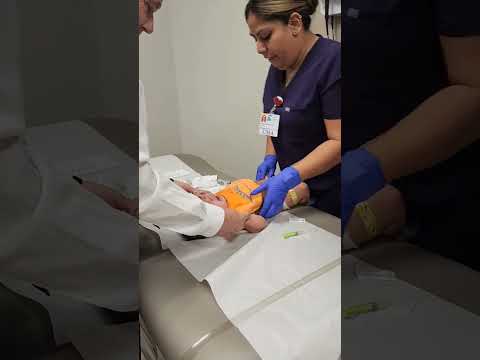
Preparing for a visiting nurse or aide begins with creating a safe space for home healthcare by removing tripping hazards like loose rugs, cords, and excess furniture from the primary care pathway. Clear at least a three-foot radius around the bed, bathroom doorway, and frequently used seating areas so the clinician can move freely with equipment or a wheelchair. Next, install grab bars beside the toilet and inside the shower—not just towel racks—since these support both patient transfers and the aide’s balance during bathing assistance. Assess doorway width; if under 32 inches, temporarily remove hinges or use offset hinges to accommodate a walker or commode. Finally, relocate daily essentials (medications, water, phone) to waist-height shelves, reducing the need for bending or reaching during visits. These adjustments minimize fall risk and allow the professional to focus on care, not navigation.
Setting Up a Communication Log and Care Plan Notebook
Before the first visit, dedicate a single binder or notebook as your central communication log and care plan hub. Place it in an obvious, agreed-upon spot—like the kitchen counter or a bedside table—so the nurse, aide, and family members always know where to look. Separate it into tabbed sections: one for the visiting nurse’s daily notes, another for the aide’s shift observations, and a third for the official care plan from the agency. Each day, record medications given, vitals taken, meals eaten, and any mood or mobility changes, using timestamps for accuracy. Flag urgent issues on a sticky note for the next professional. Review the care plan weekly with the nurse to update goals, and log every revision with the date. Keep a plastic pocket for loose documents like lab results or discharge papers.
- Label three dividers: Nurse Notes, Aide Log, and Care Plan Revisions.
- Write entries in permanent ink, noting time, symptom changes, and questions.
- At each visit, ask the professional to initial entries and confirm the plan is current.
What Medical Supplies and Documents Should Be Ready Before the First Visit?
Before the first visit, assemble a dedicated folder containing the patient’s insurance card, photo ID, a current medication list with dosages, and any recent discharge summaries or lab results. For supplies, place alcohol wipes, gloves, a working thermometer, and a blood pressure cuff (if available) in a single, reachable container. Also include a signed consent form for treatment and a list of emergency contacts—these reduce administrative delays and allow the nurse to focus on assessment. Logically, organizing these items in one spot prevents mid-visit searching, which wastes clinical time. Pre-verified medical documents and supplies ensure the first session starts with care, not chaos.

Having insurance cards, medication lists, consent forms, gloves, and a thermometer ready before the first visit streamlines the nurse’s intake and prioritizes patient safety.

What Are the Hidden Costs and Payment Options You Should Know About?
Beyond the base hourly rate for nursing services, hidden costs often include overtime premiums for overnight or holiday shifts, travel fees for home visits, and charges for consumable supplies like gloves or wound-care kits. You might also face administrative fees for care coordination or a minimum-hours charge that bills for a full shift even if you need less time. For payment options, verify whether your long-term care insurance covers skilled nursing or if your health plan only covers intermittent visits. Private pay typically requires a deposit, while some agencies offer sliding-scale discounts or bundled weekly rates. Always request a written itemized estimate before starting, and ask if credit card payments incur a surcharge. Medicaid waivers may cover home nursing, but eligibility is strict, so confirm scope in advance.
Hourly Rates vs. Flat Fees: How Pricing Is Usually Calculated
Hourly rates for nursing care are typically calculated by multiplying a base per-hour wage by the number of scheduled hours, then adding agency overhead, mileage, and shift differentials (e.g., night or holiday premiums). Flat fees, by contrast, are usually derived from a standardized task or time block—such as a 4-hour minimum for wound care or a fixed price for post-op observation—where the provider estimates total effort from prior case complexity. For live-in or 24/7 coverage, flat daily rates often exceed the hourly equivalent to account for sleep interruptions and meal breaks. Hourly billing rewards transparency when care needs fluctuate, while flat fees protect you from surprise charges if the visit runs long. Always ask whether the quoted rate includes taxes, supplies, and travel, as these are frequently itemized separately.
| Aspect | Hourly Rate | Flat Fee |
|---|---|---|
| Best for | Unpredictable or part-time care | Defined procedures or short visits |
| Overrun cost | Billed per extra minute | Usually absorbed unless stated |
| Invoice clarity | Detailed time logs required | Single sum, less breakdown |
Ways to Use Long-Term Care Insurance, Veterans Aid, or Out-of-Pocket Savings
Long-term care insurance can cover skilled nursing visits, therapy sessions, or even full-time home health aides, so check your policy’s daily benefit cap and eliminate any waiting period before you need care. Veterans Aid and Attendance benefits, available to qualifying veterans or their spouses, can be paid directly to you each month, which you can then use to hire a private-duty nurse or cover facility costs beyond what Medicare covers. Out-of-pocket savings work best when you negotiate hourly rates upfront, ask about package discounts for weekly visits, or set up a dedicated health fund before a crisis hits. Be aware that mixing insurance with personal funds often triggers “coordination of benefits” rules, so always ask your provider to bill one source first before you tap savings. This layered approach keeps care continuous without draining your bank account overnight, and it gives you more control over which nursing services you actually prioritize. Strategic use of long-term care insurance prevents your savings from disappearing on unexpected overnight care charges, so review your benefits annually and keep your policy documents visible for family members.
How to Avoid Extra Charges for Holidays, Overtime, or Specialized Training
To prevent surprise bills, confirm before booking whether your nursing agency applies holiday surcharges or overtime rates, then lock in a flat-fee package that explicitly covers these scenarios. Ask for a written clause stating that specialized training—such as wound care or ventilator management—is included in the base hourly rate, not billed as an add-on. Schedule non-urgent shifts on weekdays whenever possible, and negotiate a cap on overtime by splitting long care periods between two nurses. Finally, request itemized invoices after every shift and dispute any unapproved charge immediately, because agencies often waive fees when challenged early.
- Review your care contract for holiday and overtime rate triggers before signing.
- Demand a “bundled skills” guarantee so specialized training costs zero extra.
- Audit each invoice within 48 hours and flag any line item you never authorized.